
Middle Corridor development requires fleet expansion and logistics digitalization
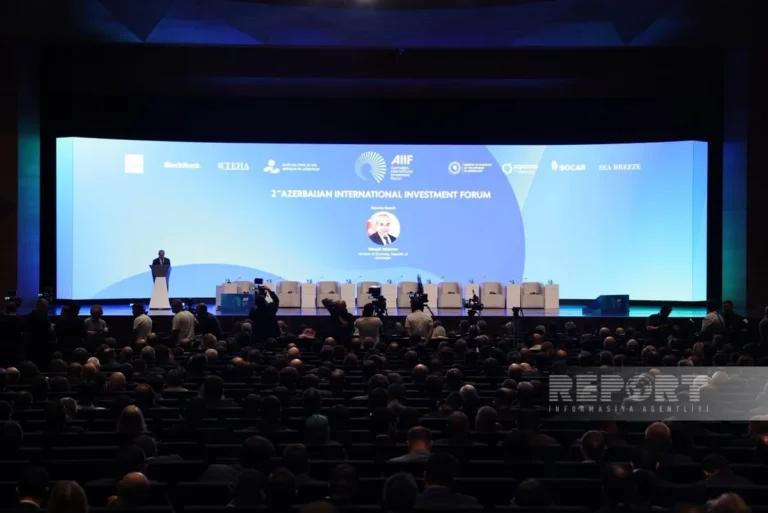
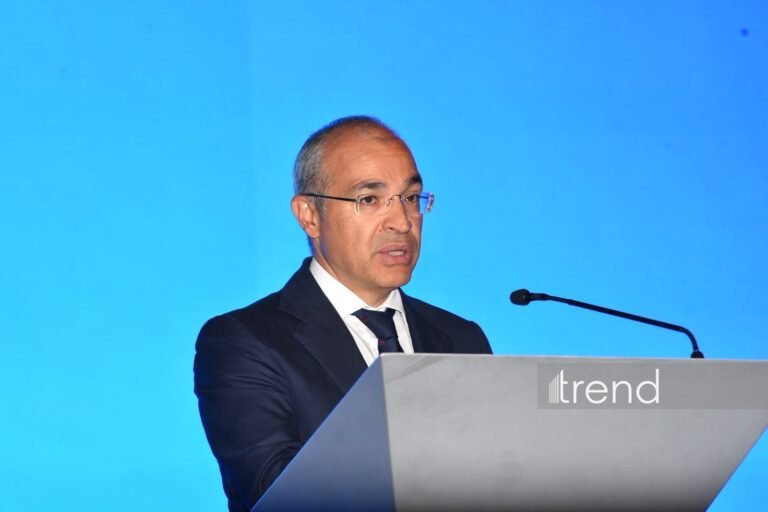
Kamran Habibov, Chairman of the Azerbaijan Freight Forwarders Association, outlined key challenges for the development of the Middle Corridor at the 'Black and Caspian Sea Freight Forum 2026'.
 Yulduz Salimov1 min read
At the 'Black and Caspian Sea Freight Forum 2026', Kamran Habibov, Chairman of the Board of the Azerbaijan Freight Forwarders Association, stated that increasing the role of freight forwarding companies, ensuring predictable transit times, and organizing return cargo are priority tasks for the development of the Middle Corridor.
According to Habibov, securing return cargo remains one of the main challenges for this transport route. The expert emphasized that time and safety are critical in global trade, which is why transit times must be as predictable as possible.
Despite the progress observed, the development of the corridor is being hindered by a shortage of vessels, particularly in the Caspian Sea. Kamran Habibov noted that a significant expansion of the fleet by 2030 could be a key solution to this problem.
The growth in cargo volumes is placing additional strain on infrastructure. In this regard, the head of the Association called for stronger coordination between infrastructure owners and freight forwarding companies, as well as proactive forecasting and an increase in capacity across all sections of the route.
To improve planning efficiency and trust in the route, Habibov proposed the creation of a unified digital platform. Such a tool would allow for tracking cargo movement and forecasting potential delays, including those caused by weather conditions on the Caspian Sea.
Source: apa.az