Norway wealth fund urged to ease nuclear arms ban after Gaza investment row
A government-appointed committee has proposed easing the ethical restrictions on Norway's $2.3 trillion sovereign wealth fund, including a ban on investing in nuclear weapons manufacturers.
 Yulduz Salimov3 min read
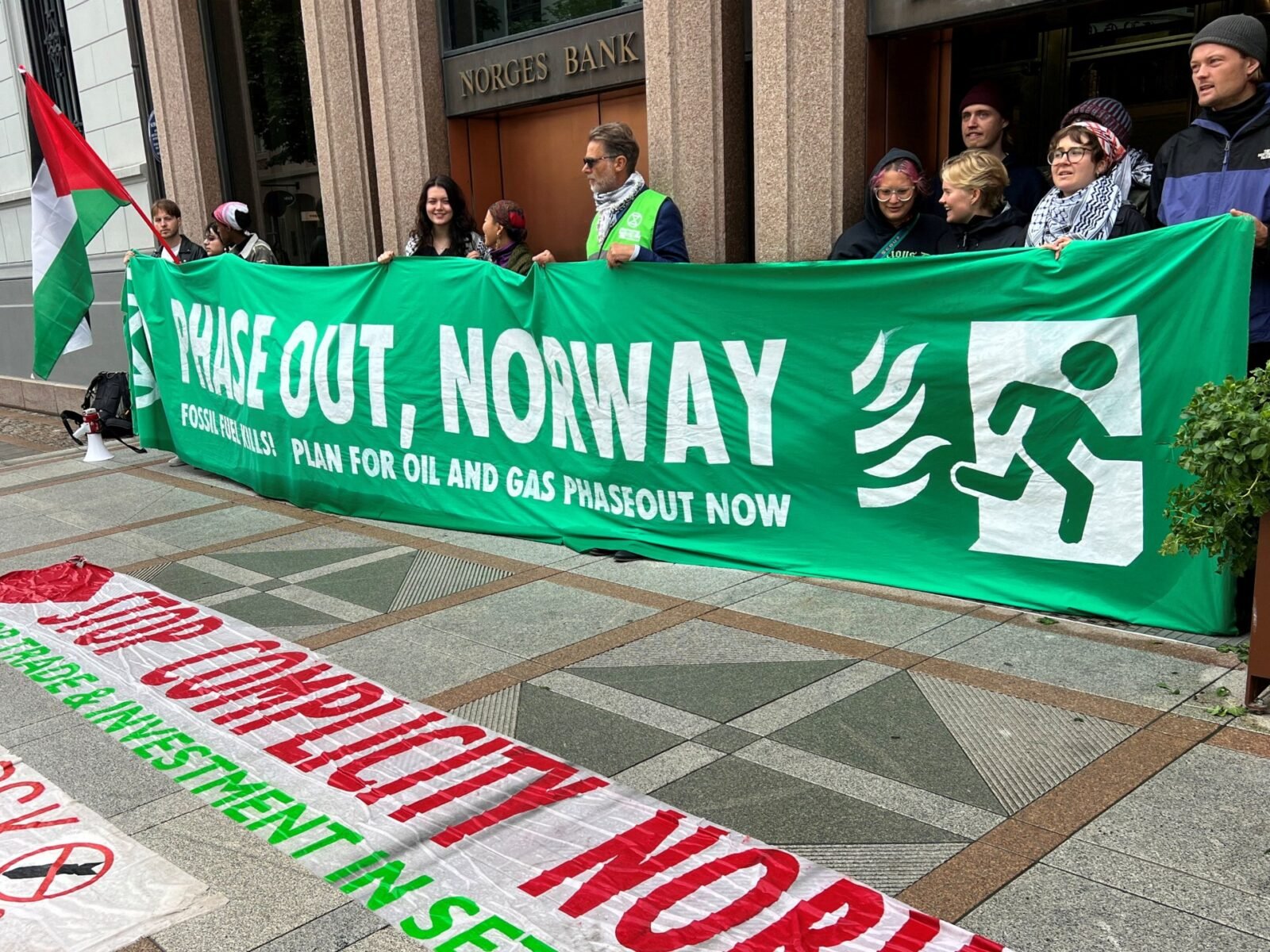
A government-appointed committee in Norway has proposed lifting some of the ethical restrictions on the country's sovereign wealth fund, including allowing investment in companies that manufacture nuclear weapons. The report was presented on Thursday, October 16, 2026.
The fund is the world's largest sovereign wealth fund, controlling assets worth nearly $2.3 trillion. The committee, led by former Norges Bank governor Svein Gjedrem, recommended easing investment conditions as part of a broader reform that would give the fund's manager — the central bank — greater freedom on ethical risk matters.
In the section on Gaza, the committee urged the fund to refrain from involvement in diplomatic matters. In the authors' view, decisions on the "conduct of another state" should be taken not by the fund but through "ordinary diplomatic channels of the Norwegian authorities."
"Part of the basis for appointing the committee was the fund's work related to the war in Gaza," the report says.
Controversy over Caterpillar
The review was driven in part by the controversy over the fund's divestment last year from US construction equipment maker Caterpillar. The fund explained the move by the company's alleged involvement in human rights violations during the war in Gaza and in the occupied West Bank. Washington subsequently pressured Oslo.
Nuclear weapons and reaction
The committee also proposed reviewing the practice of excluding from its investments companies involved in the production of nuclear weapons. Citing Norway's dependence on NATO's nuclear deterrent and a deteriorating security environment, the report proposes allowing investment in companies in the United States, the United Kingdom and France that are linked to nuclear weapons production.
"The global security situation has changed. Norway is building up its defence capabilities, and the protection provided by NATO's nuclear umbrella is becoming ever more important. The companies proposed for re-inclusion produce weapons that Norway needs for its own defence," the report says.
The proposals also touch on the role of the fund's independent ethical oversight body: some assessments of potential investments could remain confidential. According to the report, these changes are presented as a duty to protect Norway's national security.
The report has already drawn criticism in Norway, with opposition politicians condemning the possible changes. Lawrence Loh, director of the Centre for Governance and Sustainability at the National University of Singapore's business school, said: "If the Norwegian sovereign wealth fund, which is often seen as the global gold standard, changes its position on nuclear weapons, it will open Pandora's box for many global investors."
Former Australian foreign minister Gareth Evans called the report "a hopeful initiative in a world that has become alarmingly complacent about the risks of nuclear war, even as all major arms control agreements are dead, dying or on the brink, and the long-standing taboo on threatening or using nuclear weapons is eroding."
On Thursday, US President Donald Trump said Washington is holding talks with Russia and China aimed at denuclearisation by the countries with the largest nuclear arsenals. Loh, for his part, warned that changing the fund's investment conditions could prompt others to invest in nuclear companies "in scenarios different from the Norwegian condition, in which companies are based in allied NATO nuclear states."
Source: aljazeera.com