

Allergic to Yourself: Can the Body React to Sweat, Tears and Hormones?
Allergies are usually linked to external triggers, but sometimes similar symptoms arise in response to a person's own sweat, tears and hormones. We look at what these conditions are and whether they can always be called allergies.
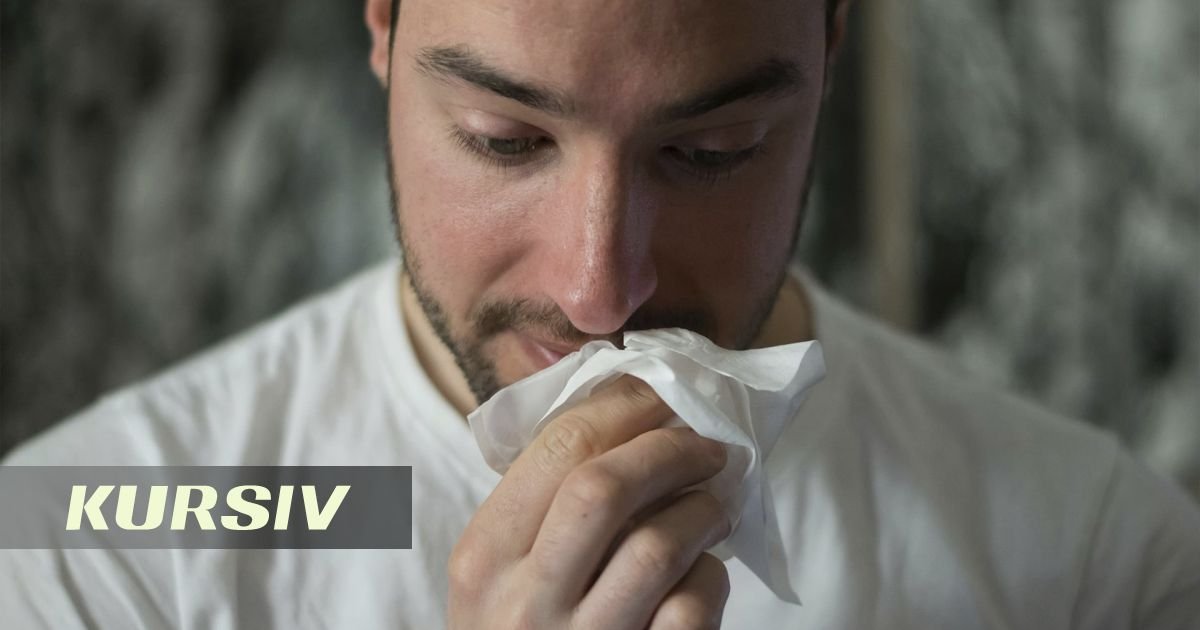
Allergies usually occur when the immune system reacts to something external — pollen, food, medications or animal fur. But sometimes similar symptoms appear in response to processes connected with the body itself. It is worth clarifying: not in all such cases is the condition a classic allergy — the mechanisms of these reactions may differ.
Allergy to Your Own Sweat
After exercise or strong excitement, small red welts, itching and burning may appear on the skin. Sometimes the reaction is so pronounced that a person finds it difficult to exercise or tolerate heat. One of the possible causes is cholinergic urticaria: in this condition, a rise in body temperature with sweating provokes the appearance of itchy welts.
Calling this an allergy to sweat itself in all cases would be incorrect. The immune system may react to certain proteins contained in it. One of the studied allergens is the protein MGL_1304, which is produced by the yeast fungi Malassezia globosa, part of the normal skin microflora. The protein gets into sweat and in some people triggers an immune reaction: antibodies recognize the allergen and launch the release of histamine, which causes itching, redness and swelling. Treatment usually uses second-generation antihistamines.
Allergy to Tears
A person cries, and itching, red spots or welts appear on the skin. Medically, calling this phenomenon an allergy to one's own tears is not entirely correct. The cause may be aquagenic urticaria — an extremely rare condition in which skin contact with water causes welts. Symptoms may occur after contact with rain, shower, sweat or tears.
The exact mechanism of aquagenic urticaria has not yet been established. There is no evidence that a person develops an allergy specifically to the unique proteins of their own tears. Skin irritation after crying may also be linked to friction or a disruption of the skin barrier. Since it is impossible to completely avoid contact with water, treatment is aimed primarily at controlling symptoms — second-generation antihistamines are usually used.
Allergy to Semen
Allergy to semen does exist, but usually it refers to a reaction to a partner's sperm, not one's own. It contains many proteins, and in some people the immune system mistakenly recognizes one of them as potentially dangerous. One of the suspected major allergens is considered to be prostatic specific antigen — a protein produced by the prostate gland. The reaction may be limited to burning, itching, redness and swelling of the mucous membranes, and in some cases urticaria, facial swelling, difficulty breathing and even anaphylaxis occur.
There is also another condition — post-orgasmic illness syndrome, or POIS. After orgasm, a person may experience pronounced fatigue, problems with concentration, irritability and symptoms resembling flu. Sometimes this syndrome is called an allergy to one's own sperm, but POIS cannot be considered a proven allergy: researchers are also considering other possible mechanisms, including changes in the functioning of the nervous and endocrine systems. There is no generally accepted treatment for POIS yet.
Premenstrual Allergic-Like Reaction
Another rare condition is linked to the menstrual cycle. In some women, a few days before menstruation, itching, urticaria or dermatitis regularly appear, and after menstruation begins the symptoms weaken. This may be a manifestation of hypersensitivity to progestogens. In the second half of the cycle, progesterone levels rise, and it is assumed that in some patients the immune system reacts to their own progesterone at this time. The reaction may also occur to medications containing progestogens.
The main clue for a doctor is a clear link between symptoms and the period of the menstrual cycle or medication intake. Treatment is selected individually: in some cases antihistamines, treatments for dermatitis or hormonal therapy that suppresses ovulation are used. If progestogens are necessary, for example in the treatment of infertility, the doctor may consider desensitization.
Not Every Such Reaction Should Be Called an Allergy
All four stories are indeed unusual, but from a scientific point of view they are different. In a reaction to sweat components, the allergen in some cases turns out to be a fungal protein, not a person's own protein. A reaction to tears may be observed in aquagenic urticaria, but a separate allergy to one's own tears has not yet been confirmed. Allergy to a partner's semen is a recognized condition, whereas the immune nature of post-orgasmic syndrome remains only a hypothesis. Hypersensitivity to progestogens is clinically recognized, but its mechanisms are heterogeneous.
Therefore, unusual symptoms after sweating, crying, sex or on certain days of the cycle do not yet mean that a person has an "allergy to themselves." The cause must be established together with a doctor.
Source: kz.kursiv.media