
Expert view: “Human health demands more responsibility than advertising”
Why do professionalism, a sound approach and trust matter so much in therapeutic massage and physical health?
Updated: October 18, 2026 9:17 pm
Why do professionalism, a sound approach and trust matter so much in therapeutic massage and physical health?
Today, it is not easy to tell professionals from non-professionals in health services. Wide advertising, paid promotion on social media and attractive promises sometimes outweigh real knowledge and experience. As a result, people find it difficult to determine whom to trust, and a wrong choice can carry serious risks for their health.
Human health is an area where knowledge, experience and responsibility come first, not advertising. Every intervention here requires professionalism, attention and ethical responsibility. It is extremely important that a person entrusted with someone's health has appropriate training, understands the responsibility of their profession and works within the limits of their competence.
For this reason, we at F4Media.az consider it important to feature specialists who take responsibility for their profession, pursue sustainable development and place the human factor at the centre of their work. Our aim is not only to discuss the activity of one specialist, but also to draw attention to a broader understanding of sound choice and reliable service in society.
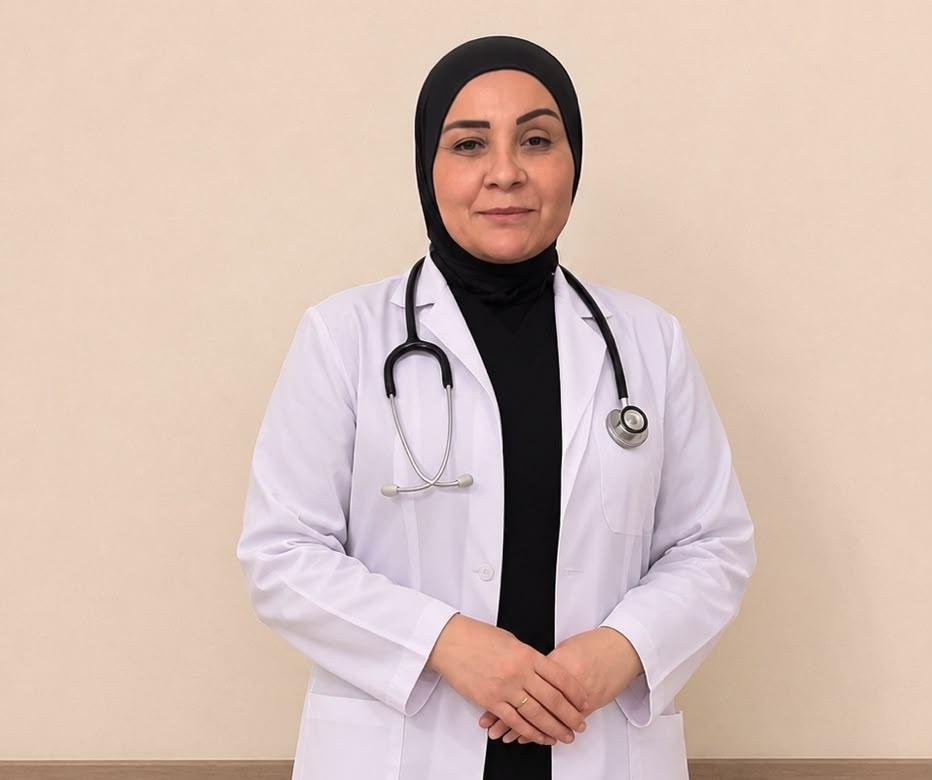
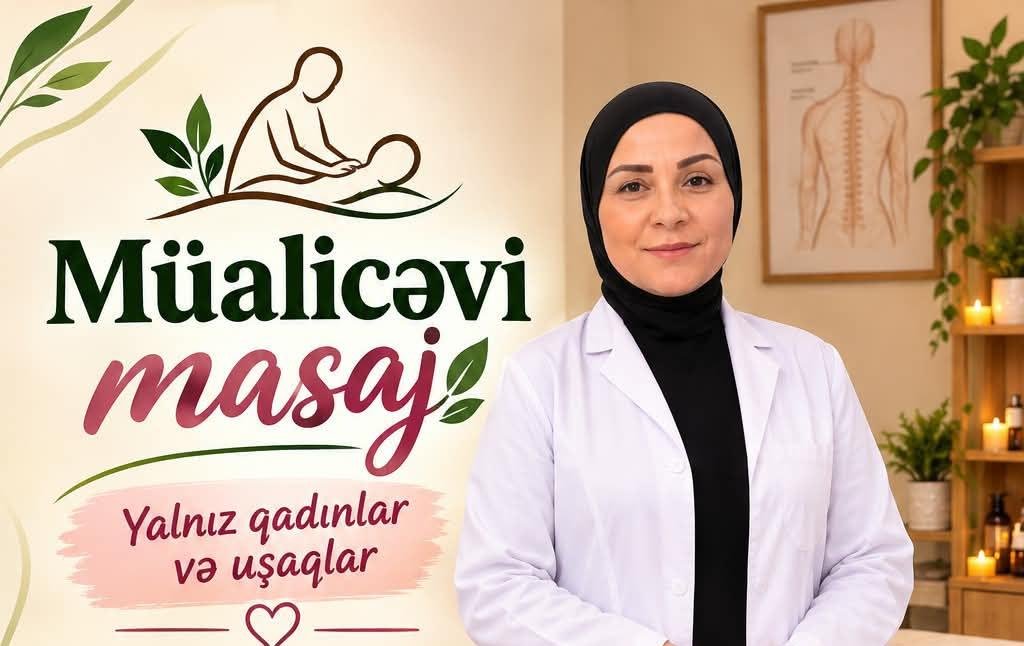
For this article, we spoke with Vefa Aliyeva, who has worked in therapeutic massage and physical health for 15 years. With her, we discussed the criteria of professionalism, the risks that non-professional interventions may create, a sound approach to problems such as scoliosis, kyphosis and lordosis, and also the importance of continuous development in this field.
— Ms. Aliyeva, a wide range of services is offered in health and body care today. We also encounter numerous advertisements on social media. How can people recognise a real specialist?
— First of all, people must be able to distinguish a professional from an advertisement. Introducing oneself, presenting one's activity and advertising one's services is everyone's choice. However, providing a service related to human health carries greater responsibility.
A specialist's appropriate training, education, experience, the soundness of the methods they use, and their ability to correctly assess the condition of the person seeking help are important. It is not right to apply the same approach to everyone. People differ in their physical condition, needs and health problems.
I believe that the main criterion in this field is not only being recognised, but also standing behind one's work, knowing one's competencies and taking responsibility for human health.
— Scoliosis, kyphosis and lordosis are frequently mentioned in society. Some people think these problems can be solved through massage alone. How correct is this approach?
— The important point here is that each problem must be assessed properly. Scoliosis is a lateral curvature of the spine, kyphosis is an increase in the backward curvature of a certain part of the spine, and lordosis refers to forward curvature in the lower back or neck region. Each of these conditions may have different characteristics and various causes.
Massage can in some cases help reduce muscle tension and pain. However, it is not right to present massage as a universal therapeutic tool for all these problems. The therapeutic approach must be tailored to a person's age, the severity of the condition, their complaints and the results of medical evaluation.
Where curvatures of the spine are observed, especially in children, timely medical examination is important. The goal is not only to reduce pain, but also to properly identify the cause of the problem and its possible risks.
— What are the dangers of non-professional interventions?
— Working with the human body requires knowledge, preparation and attention. An intervention carried out without proper assessment, especially risky or aggressive manual techniques, may in certain cases increase pain and worsen the existing condition.
Therefore, a specialist must know in which cases they can work and in which cases they should refer the person to a doctor. Professionalism means not only applying certain techniques, but also understanding the limits of one's own abilities and competencies.
Unfortunately, sometimes advertising promises prevail over real knowledge and experience. People may choose based on an attractive service, appealing posts and promises of rapid results. Yet in matters of health, a wrong choice may result in more than financial loss. In some cases it may also cause serious harm to a person's physical health.
In my opinion, every specialist who serves people must first of all consider their safety.
— Which qualities are important for a long-term professional career?
— In this field, it is very important to keep learning, follow innovations and work on oneself. Knowledge related to the human body, rehabilitation approaches and the methods applied help a specialist grow.
I do not want to limit myself only to the experience I have gained so far. Acquiring new knowledge, getting acquainted with different experiences and taking part in exchange programmes within international initiatives are important directions for my future work.
I believe professional development is not a one-time process. The more a person learns, the better they understand the importance of approaching their work with responsibility.
— You say you pay special attention to working with women and children. What is the specific nature of this direction?
— Each person's needs are different. When working with women and children, this must be taken into particular account. Age, physical development, current health condition and individual characteristics play an important role in determining the appropriate approach. For me, the main issue is that the person feels comfortable and safe, receives clear information, and that the purpose of the work is properly explained.
I have worked in this field for 15 years and have gathered considerable experience. My activity covers various massage and physical therapy directions. Alongside people with spinal problems such as scoliosis, kyphosis and lordosis, I also work on active points located in different parts of the body.
So your massage practice is limited only to spinal problems
Well, my activity covers a wider scope. In addition to working with specific points on the body, I also work with people who come with ear-related complaints, head noises and other discomforts. Facial massage, skin tightening and lifting-oriented procedures are also part of my practice. Working with children is an important part of my practice as well. I work individually with children who have various developmental and movement problems. In particular, I provide rehabilitation for children with limited mobility or those who find it difficult to sit independently. The goal is to improve children's ability to move and support their physical development.
— What would you like to say to our readers in conclusion?
— I recommend that people do not make decisions about their health lightly. When choosing a specialist, they should look into the person's education, training and experience, and whether their field of practice matches their needs. People should approach overly ambitious promises, or guarantees of full recovery in a short period, with caution.
Before any procedure, it is important to assess the person's health condition, explain the risks and, where necessary, consult a doctor. A specialist must also understand that the decisions they make affect another person's health.