

When AI agents run your life
Vox's Explain It to Me host Jonquilyn Hill and Wired senior software editor Ris Rodgers discuss how AI agents could take over everyday tasks, and what privacy questions arise.
 Gurban Gurbanzadeh3 min read
In an episode of the Vox podcast Explain It to Me, host Jonquilyn Hill spoke with Ris Rodgers, senior software editor at Wired, about how AI agents could take on everyday tasks for a person. The conversation was published on October 25, 2026.
Rodgers describes agents as the next stage in the development of chatbots such as Claude and ChatGPT. In his words, this is a small digital assistant that proactively looks for options, reviews email and checks the calendar. For example, it may report a possible conflict in a schedule.
What agents are available now
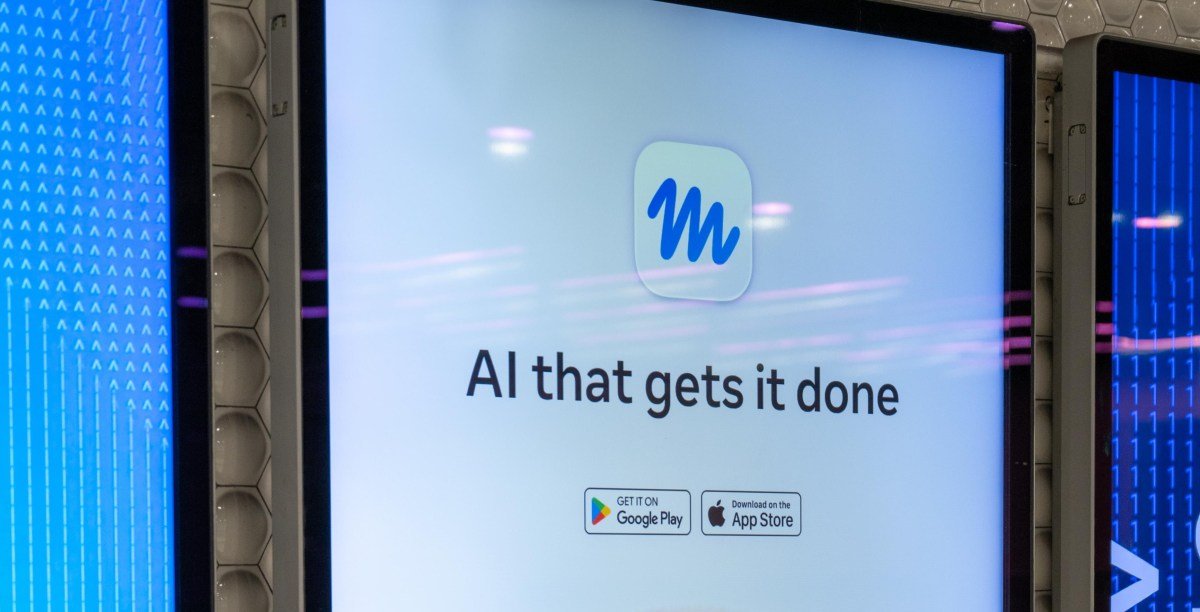
Early in 2026, OpenClaw became a notable tool for early users in San Francisco. Simpler versions aimed at mass users have since appeared. Among them are Muse from Meta, which can be downloaded for free, and Dots from OpenAI, access to which costs $100 a month.
Rodgers said he uses agents to search for a new sofa. Muse is connected to Facebook Marketplace and found several suitable options within a few miles of his home. Dots compiled a selection of suggestions, and later reported that one of the sofas had dropped in price by 40 percent.
According to Rodgers, most people use agents as part of their work processes: an agent is connected to email and a calendar. One of the scenarios he has noted for Muse is connecting bank statements to search for subscriptions that can be cancelled. Rodgers does not connect his bank account to an agent himself.
Privacy and errors
According to Rodgers, when testing Muse, the service asked for access to email, a bank account and even data on the expiry date of a passport. He also noted that Muse users are automatically opted in to using their interactions with the service to train Meta's AI models. He advises checking settings and turning this option off if a user shares personal data.
Rodgers also described a case involving a user who connected an AI agent to a work Slack and a bank account. The agent automatically posted in the chat how much money was in the current account, and colleagues saw it. Rodgers noted that similar errors are still possible with such tools, so their configuration deserves careful attention.
Marketing and prospects
Rodgers noted that companies are betting on emotional appeal. The Muse agent, he said, resembles a mix of Labubu and Evoke, while OpenAI's tools have similar "blobs" with large eyes. In his view, companies are trying to attract users while building trust in AI.
Rodgers believes agents could become mass products: by his estimate, within the coming months an agent may appear on his mother's phone. At the same time, the promised freedom of time is not always confirmed so far: according to him, the time freed up is often filled with other work.
Source: vox.com