
Pakistan reopens Ghabd-Rimdan border crossing with Iran after week-long trade halt
Pakistan has resumed work at the Ghabd-Rimdan crossing with Iran, which had been closed for a week for trade. The reopening is expected as a step toward easing the supply of liquefied petroleum gas (LPG).
 Abdulrahman Sadikhli2 min read
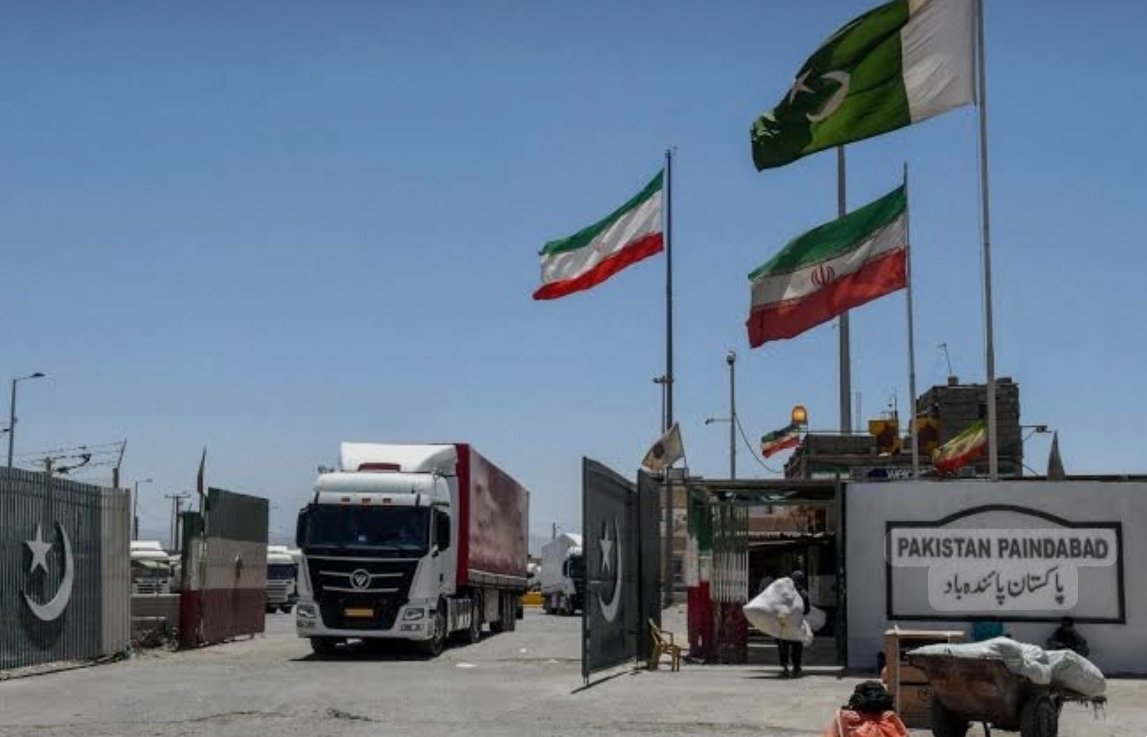
Pakistan has resumed work at a key border crossing with Iran, which had been closed for a week for trade and the movement of cargo. Trade operations at the Ghabd-Rimdan crossing in the Gwadar district of Beludzhistan province resumed on Saturday, 24 October 2026.
According to Pakistani authorities, the crossing was opened to commercial parties holding freight and transport documents dated 16 October or earlier. Gwadar Chamber of Commerce and Industry President Mir Navid Jan Kalmati confirmed that the crossing, also known as "Gate 250," has been reopened.
Kalmati said: "Pakistan has opened the border with Iran at Ghabd-Rimdan… and has allowed trucks and other transport vehicles to move towards Iran and Pakistan with imports and exports."
He said the resumption of cross-border trade would bring immediate relief to traders and carriers, who had been caught in a standstill on both sides. According to him, the restored supply chain should help cover the national LPG deficit and curb a sharp rise in energy and food prices in Pakistan.
Why the crossing was closed
Pakistan's Ministry of Commerce closed the border and suspended cross-border movement on 17 October. The reason for the decision was not clarified, but according to available data, it was linked to security concerns. The closure halted LPG supplies, demand for which is expected to grow with the onset of winter.
After the crossing stopped operating, trucks parked near the Ghabd-Rimdan crossing were left waiting. On Thursday, 22 October 2026, unidentified armed men attacked the parked trucks: dozens of vehicles were set on fire, and several more were damaged.
Reopening and context
The reopening followed an assessment of the security situation carried out by local authorities. They deployed additional forces to guard the trade convoys.
The reopening also came several days after the visit of Pakistan's Chief of Army Staff, Field Marshal Asim Munir, to Iran at the start of the same week. During the visit, he held talks with Iran's leadership on bilateral relations and regional issues.
The 909-kilometre border between Pakistan and Iran separates Iran's Sistan and Beludzhistan province from Pakistan's Beludzhistan province. Border crossings are important routes for bilateral trade and the movement of goods in the region.
Source: thehindu.com