
Criticism of Donald Trump’s nuclear rhetoric
Donald Trump's statements regarding nuclear potential have sparked a debate about the boundaries of U.S. foreign policy and the risks of escalation in relations with Iran.
 Abdulrahman Sadikhli2 min read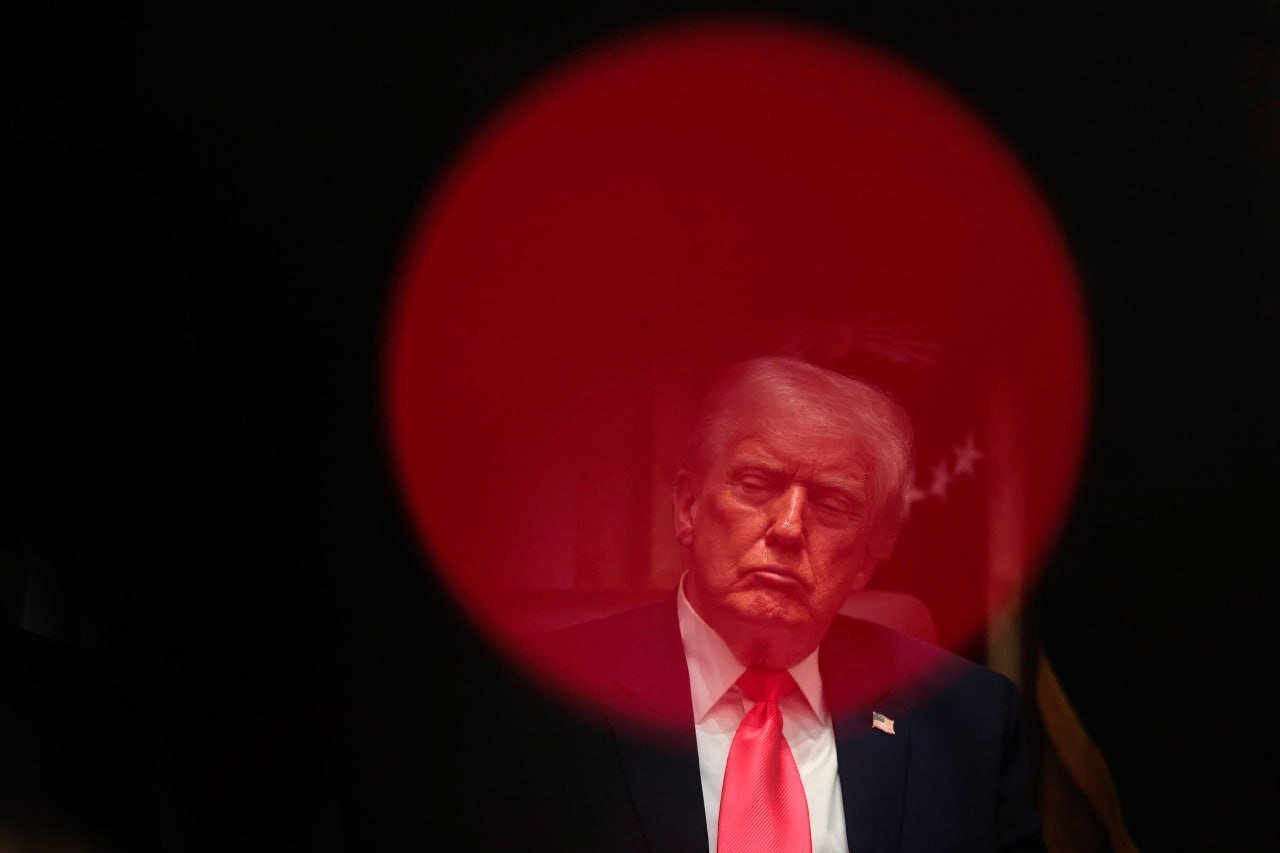
American journalist Tucker Carlson has sharply criticized Donald Trump, stating that the former president's remarks about the potential use of weapons of mass destruction cross a "red line." According to Carlson, a politician who contemplates the use of nuclear weapons loses the right to lead the country and should be immediately removed from power.
The discussion surrounding Trump's nuclear rhetoric has brought renewed attention to the security of U.S. foreign policy. Previously, while exerting pressure on Iran, Trump made sharp remarks, specifically suggesting the possibility of destroying an "entire civilization" in the absence of an agreement with Washington. He later disavowed the threat of using nuclear weapons against Iran, but such statements create uncertainty in international relations.
Experts note that the effectiveness of a "maximum pressure" policy depends on the credibility of threats. In the case of Iran, which seeks to increase the costs for the U.S. in the event of a military conflict, the constant repetition of threats may lead to a decrease in their deterrent potential. Iran's strategy is aimed at making a military victory for Washington politically disadvantageous.
Tucker Carlson's concerns reflect a deeper issue: the normalization of nuclear rhetoric in everyday political disputes could trigger a chain reaction. There is a risk that other countries, feeling threatened, will begin to more actively develop their own means of deterrence, leading to a new arms race instead of a reduction in nuclear danger.
Carlson's critical stance highlights serious disagreements within the U.S. regarding the limits of the use of military force. The main challenge for Washington lies in the gap between the ability to conduct military strikes and the ability to convert them into sustainable political results, as well as maintaining the trust of allies who fear uncontrolled escalation of conflicts.
Source: en.mehrnews.com