
Kazakhstan and Azerbaijan Resume Passenger Ferry Service Across the Caspian
Authorities in Kazakhstan and Azerbaijan have begun restoring passenger transport between the ports of Kuryk and Alat. The initiative aims to strengthen transport ties within the framework of the 'Middle Corridor'.
 Abdulrahman Sadikhli2 min read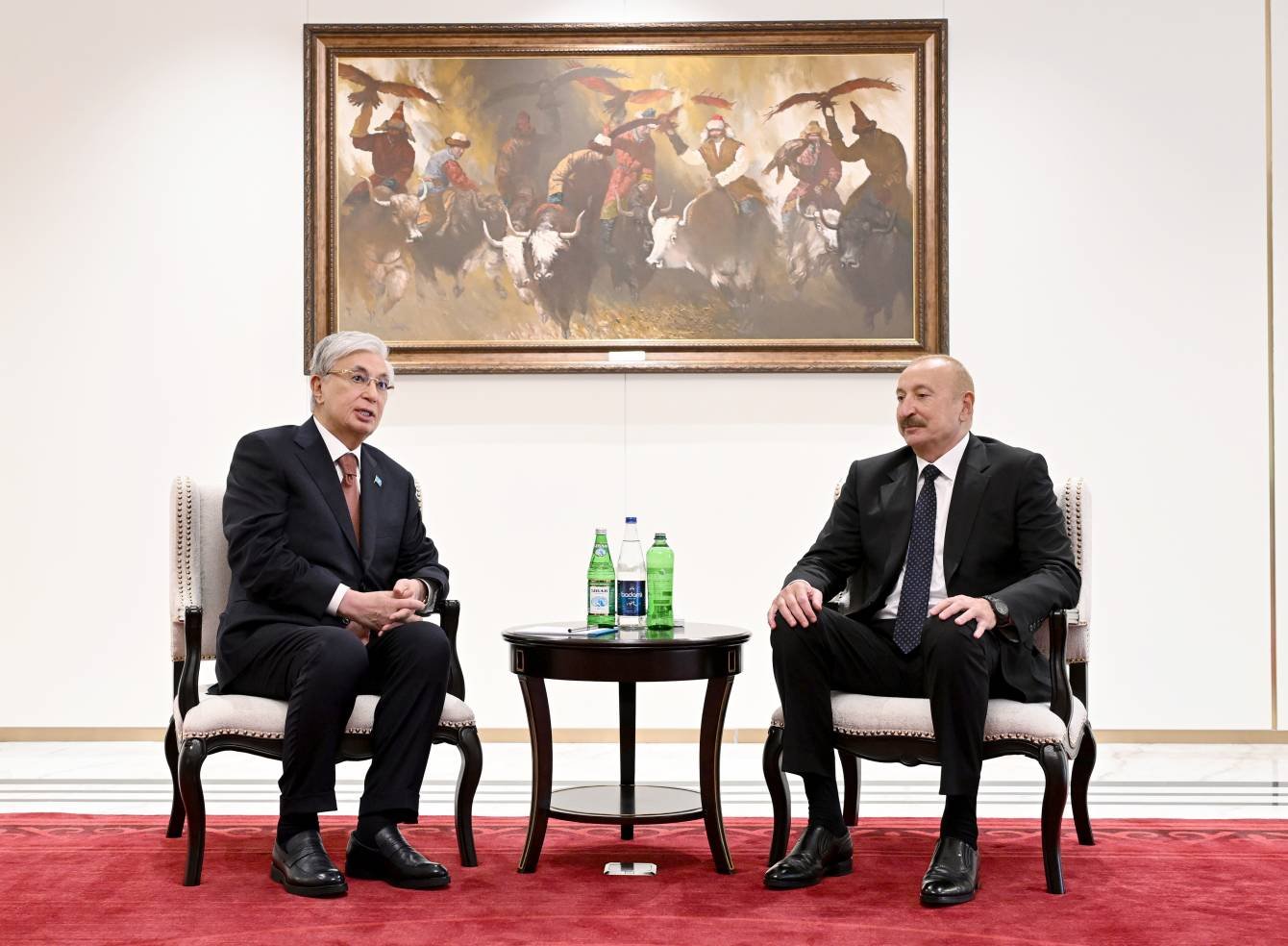
Kazakhstan and Azerbaijan are preparing to resume passenger ferry services on the Kuryk–Baku (Alat) route. Plans to restore the service, which was suspended in 2020 due to the COVID-19 pandemic, were announced on September 9 by the Ambassador of Kazakhstan to Azerbaijan, Alim Bayel.
According to the diplomat, the initiative originated from the Kazakh side and has received support from Azerbaijan. Currently, the relevant transport agencies of both countries are working to launch the route as soon as possible. Before the suspension, about 1,500 passengers used the ferry service annually, but an increase in this figure is now expected, linked to the development of economic and transport relations.
The resumption of flights is part of the strategy to develop the Trans-Caspian International Transport Route (TITR), also known as the 'Middle Corridor'. President of Azerbaijan Ilham Aliyev, at the 6th Caspian Business Forum, called this route a strategic project providing an effective link between Europe and Asia. In turn, President of Kazakhstan Kassym-Jomart Tokayev has repeatedly emphasized the role of the TITR in transforming Kazakhstan into a transcontinental trade hub.
The effectiveness of transport policy is confirmed by statistics: according to the Ministry of Transport of Kazakhstan, in the first eight months of 2026, freight traffic along the TITR grew by 22%, and transit volume in the east-west direction increased by 55%. By 2030, the countries plan to increase cargo turnover along the corridor to 10 million tons, and container traffic to 300,000 TEU by 2029.
The ferry service will operate around the clock, though there is no fixed schedule—departure times will depend on weather conditions and cargo availability. The crossing takes about 18 hours. The ferries are designed to transport passengers, cars, trucks, and railway carriages.
In parallel, the parties are developing trade cooperation: in 2024, trade turnover between the countries amounted to 536 million dollars, and in the first five months of 2026, it exceeded 150 million dollars. The goal is to reach the 1 billion dollar mark. Work is also underway to digitalize logistics, including the implementation of AI-based solutions and the construction of a fiber-optic communication line along the Caspian seabed, which is expected to be completed by the end of 2026.
Source: trend.az